African Market
Topics covered
#AfricanMarket#LocalCommerce#CulturalTrade#CommunityBusiness
Featured Image
When I was contacted by a client to build an e-commerce platform, I knew I wanted a robust, scalable solution that served three unique audiences — shoppers, store administrators, and site owners, each with their own tailored experience. Here’s how I brought it all together using JavaScript, TypeScript, Node.js, React, HTML/CSS, Tailwind, and PostgreSQL
1. Customer Experience: Delight & Simplicity
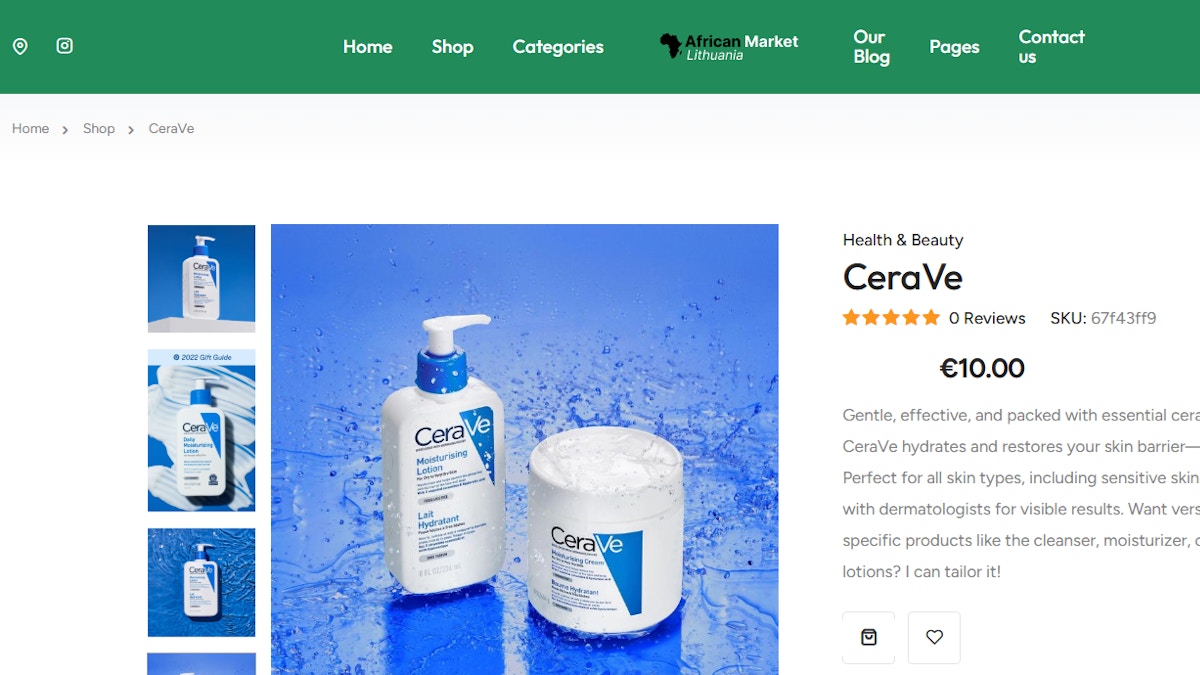
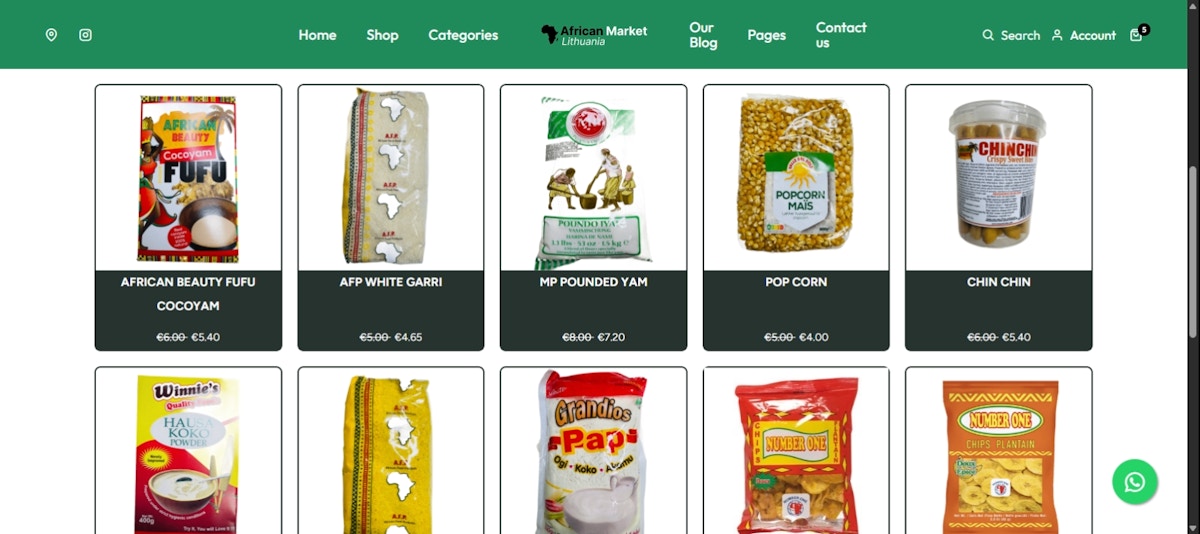
- Rich Product Catalog: Implemented “Best Sellers” and “Featured Products” carousels with React hooks and CSS transitions (Tailwind’s utility classes kept it lightning-fast).
- Secure Account Flows: Built password recovery and express-checkout using JSON Web Tokens and secure REST endpoints in Node.js/Express.
- Wishlist & Cart Management: Leveraged React Context to maintain persistent wishlists for logged-in users, and integrated Stripe so customers can jump straight to payment with one click
2. Admin Dashboard: Control & Visibility
- Full CRUD Interface: Used TypeScript and React Query to build product creation, editing, and deletion flows—complete with form validation and live previews.
- Order Management: Real-time order tracking via WebSocket notifications, allowing admins to confirm or fulfill both online and in-store orders seamlessly.
- Analytics Overview: Integrated Chart.js to visualize sales trends, inventory levels, and customer engagement over time.
3. Owner Control Panel: Governance & Security
At the highest level, I gave site owners complete oversight:
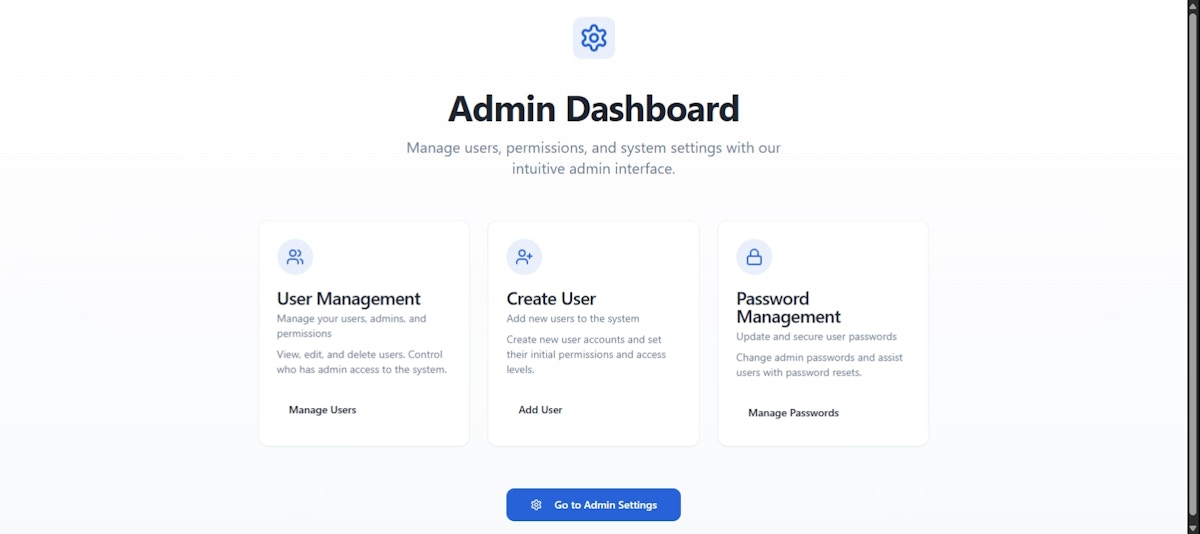
- User Management: Built secure admin-only REST endpoints for creating, editing, or deactivating any account.
- Permissions & Policies: Implemented role-based access control (RBAC) so owners could reset passwords, assign roles, and enforce site-wide security policies.
- Global Settings: Developed a headless-CMS-style interface for configuring promotional banners, featured collections, and storewide messaging.